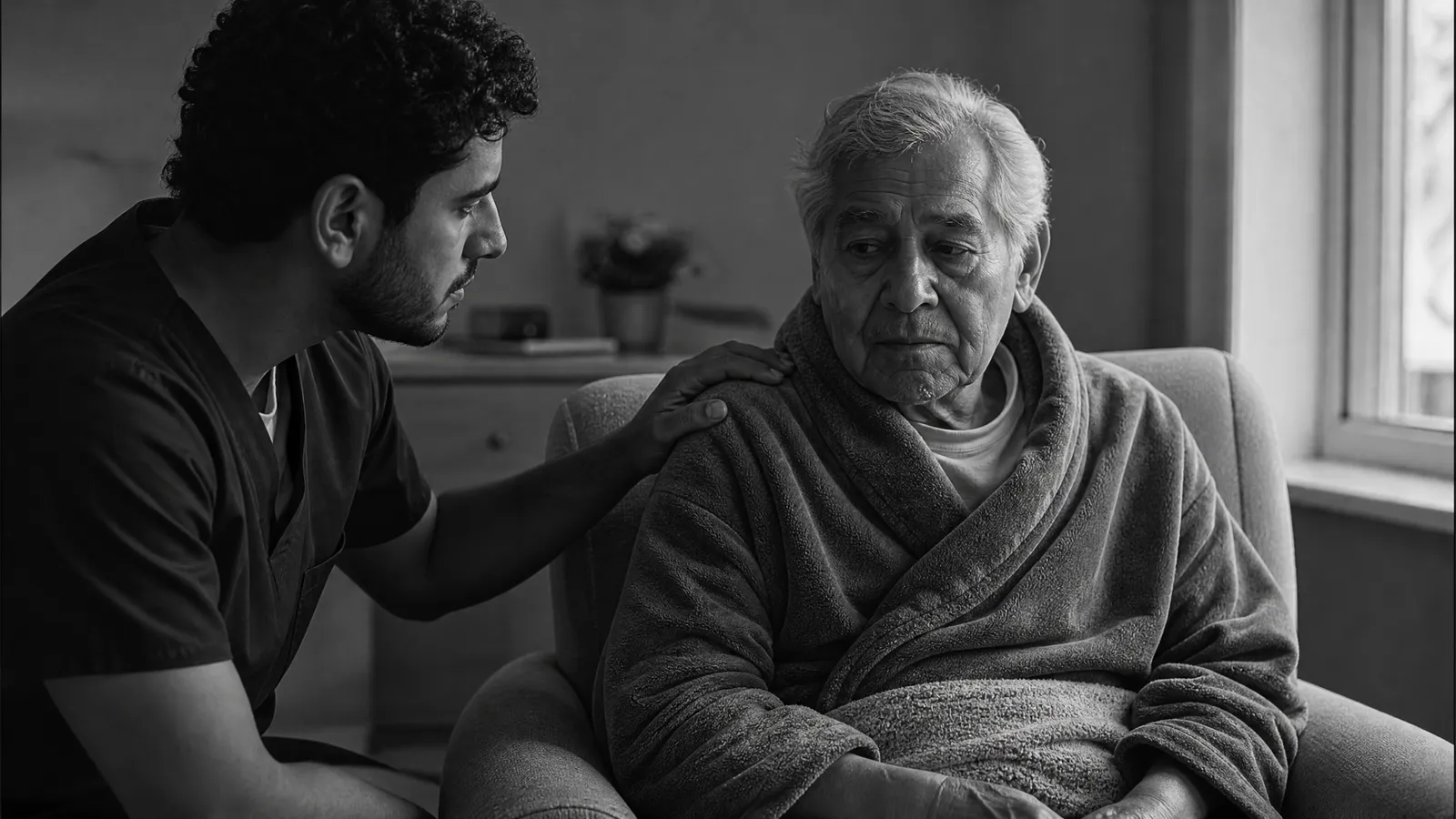
Serious illness comes with a second illness nobody names: the pain, nausea, breathlessness, fatigue, insomnia, anxiety, and depression that ride along with the disease and its treatments. Your oncologist is fighting the tumor. Palliative care fights everything the tumor is doing to your life.
It’s a team, usually a doctor, nurse, and social worker, sometimes a chaplain, that works alongside your existing doctors [6]. They’re specialists in symptom management and in the conversations regular medicine is bad at: what matters to you, what you’re willing to trade, what the plan is if things get worse.
You can be 35 and getting palliative care during curative cancer treatment. You can have heart failure, COPD, kidney disease, Parkinson’s, dementia. You can be expected to live for years. None of that disqualifies you. The only real entry requirement is a serious illness and symptoms worth treating.
And here’s the finding that should have ended the “giving up” myth fifteen years ago: a landmark trial in the New England Journal of Medicine gave patients with metastatic lung cancer early palliative care alongside standard treatment. They had better quality of life, less depression, and they lived longer [7]. Months longer. The palliative care group outlived the standard care group. Read that again.