Who We Are
The Manifesto.
Why MORTL Exists.
We built this because the silence around death is killing people. Financially. Emotionally. Practically.
We're not here to comfort you.
We're here to prepare you.
Death is the only certainty. Everything else is optional.
Here's what most people don't realize until it's too late: the systems built around death, legal, financial, medical, and logistical, are complex, expensive, and designed for professionals, not grieving families. The less prepared you are, the harder and costlier it gets. It's just what happens when complicated meets unprepared.
We started MORTL because we watched people we loved get blindsided. Death itself, at least, is predictable. What blindsided them was everything that follows an unprepared death: the decisions, the paperwork, the costs, the emotional labor. The 72-hour window where you're supposed to be grieving but instead you're on hold with the county clerk's office.
We built MORTL to change that. With information. With honesty. With the kind of directness that actually respects you as an adult.
Death is a universal human experience to be understood, planned for, and, when the time comes, met with as much dignity and intention as you can muster. MORTL is here to help you do that.
Founder
Why I Built MORTL.
Stephanie Werner, MBA
CEO, Founder, & Editor · Denver, Colorado
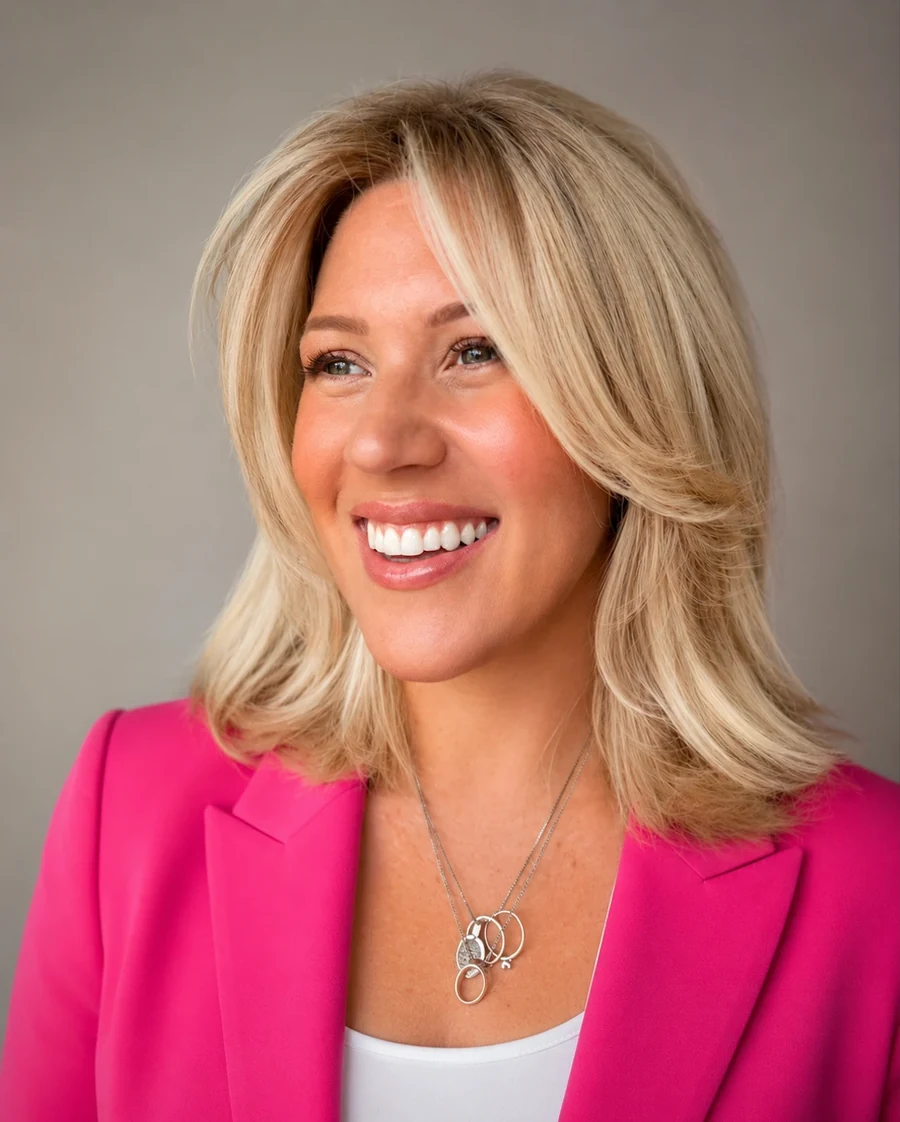
I’m Stephanie Werner, MORTL’s CEO, founder, and editor. I’ve spent more than 18 years turning complicated systems into information people can understand and use. I built MORTL to bring that same standard to death care, where missing information costs families money, time, and options.
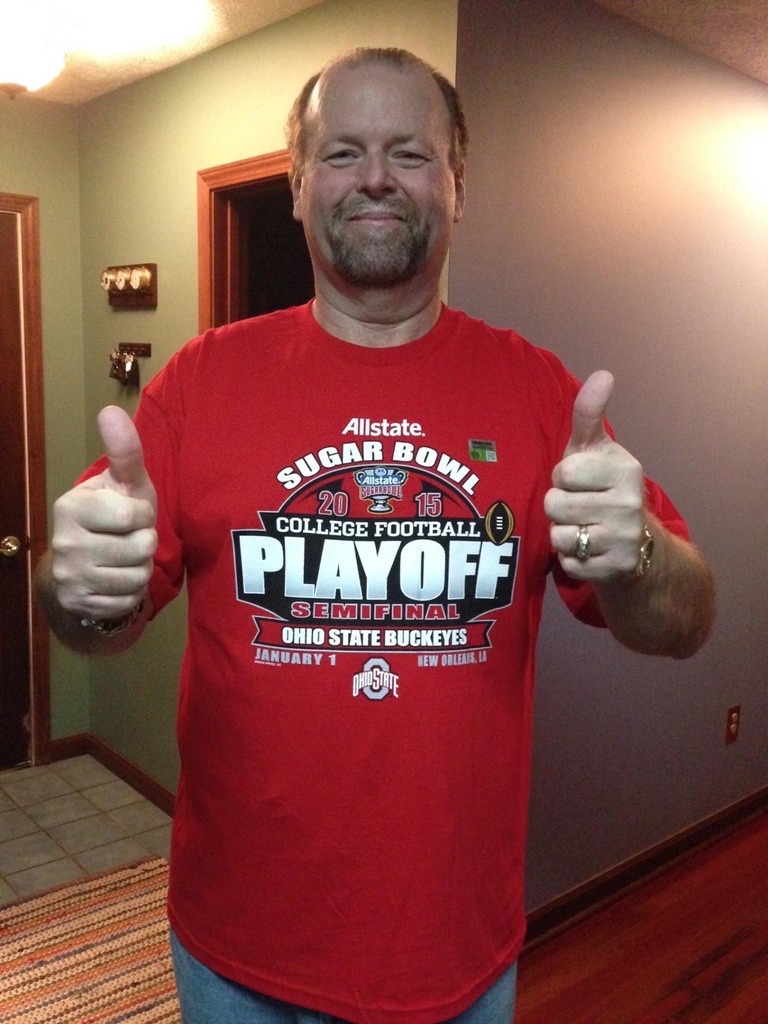
I have an MBA from the University of Phoenix and a bachelor’s degree in Strategic Communication from The Ohio State University. Go Bucks!
I’m not a lawyer, financial advisor, or doctor. I write and edit MORTL’s guides, journalism, and tools, and I show the work. Claims link to the sources used, favoring statutes, court materials, government agencies, original research, and qualified expert review. Credible secondary sources may be used for context and are identified. My job is to make complicated information easier to understand and use.
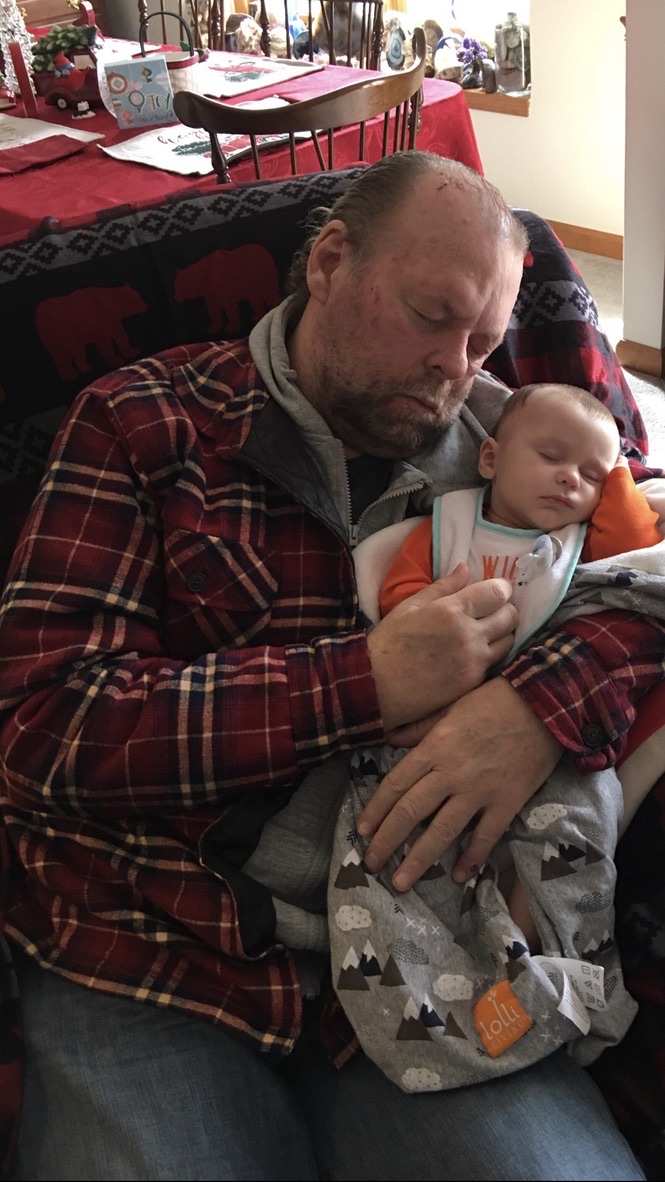
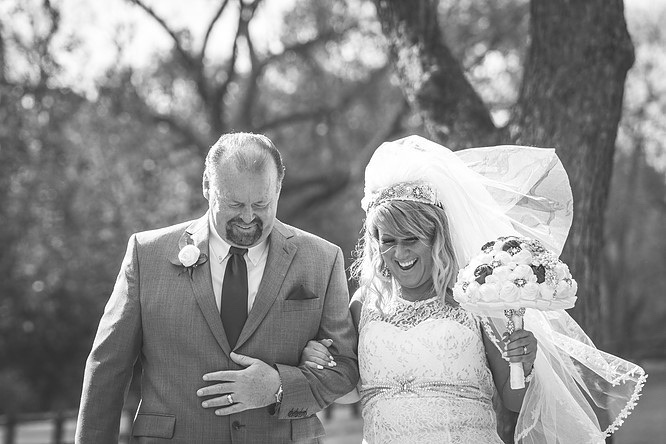
Connect on LinkedIn →I started MORTL in honor of my dad, Joby Horn, who died of brain cancer on February 5, 2022.
I created MORTL for my mom, who managed his entire illness from a spiral notebook.
Every appointment.
Every medication.
Every bill.
Every decision.
Every document.
Every phone call.
Every next step.
No one gave her a roadmap, so she made her own. She spent her days caring for my dad and her nights trying to figure out what came next, who to call, and what all the paperwork meant.
I created MORTL for my brother, a hospice nurse who worked at the very place my dad died.
He knew which questions to ask.
What certain words meant.
What mattered.
What was normal.
What wasn’t.
He still had to lose his dad far too young.
I created MORTL for my husband, who has lost far too many people he loves. He knows how long grief can stay with you after everyone else returns to their lives.
I created MORTL for my son, so when he someday faces the death of someone he loves, he won’t have to start from zero.
He’ll have honest answers.
Clear guidance.
A place to begin.
And I created MORTL for me.
Because I needed to build the thing I couldn’t find when my dad was dying.
MORTL is the practical stuff, in plain language, for the person trying to do this at 2 a.m. with no one awake to ask.
It’s the place I wish my family had.
So I built it for you.
My dad, Joby.


What MORTL Is
Not another death-positive lifestyle brand.
Not a funeral home
We don't sell funeral services or burial products. We’re a media company. We produce journalism, guides, and tools about death.
Not a grief counselor
We're not here to process your feelings. We're here to give you information so you can make decisions.
Not a legal service
We explain the law. We don't practice it. For actual legal advice you need a licensed attorney. Our directory lists estate attorneys who post flat fees in some states, and a listing isn't a recommendation.
Not a wellness brand
Death isn’t a wellness opportunity. It's a practical reality. We treat it accordingly.
A media company
We produce journalism, guides, and tools about death. MORTL earns revenue from reader subscriptions, employer partnerships, sponsored content, and featured provider listings. Anything sponsored is clearly labeled.
Radically honest
We say the things the industry won't. We use plain language. We tell you what things actually cost.
Our Principles
How we work.
Plain language
We say "died" when that’s what happened. We use accurate words without turning a person into a clinical object. Clarity and humanity belong together.
Commercial transparency
When we earn revenue from a featured listing or sponsored placement, we say so. Our editorial content is produced independently of commercial relationships.
No gatekeeping
All of our core information is free. Death doesn't discriminate by income. Neither do we.
State-specific
Death law varies by state. We explain published state rules and link to the sources used. Our guidance remains general and isn’t a substitute for advice about a specific situation.
Human-first
Behind every checklist and guide is a person in a hard moment. We write for them, not for search engines.
Editorial Standards
How we source, verify, and update our content.
Source standards
Legal requirements come from statutes, court materials, and official agencies whenever available. Statistics use original research, government data, or clearly identified industry studies. Credible secondary reporting may support events or context, and each story identifies the sources it uses.
Regular updates
Automated change monitoring runs every 30 days. Each state guide receives a source-level review at least annually and sooner when an official change or credible correction is identified. A monitoring result is not published until an administrator verifies it against an official source. Each state guide displays its last-updated date and the source it references.
Commercial transparency
MORTL may earn revenue through featured listings in our provider directory, sponsored content, employer benefit partnerships, reader subscriptions, and other commercial arrangements. Any sponsored or featured content is clearly labeled as such. Our editorial content is produced independently. Commercial relationships don’t influence factual accuracy or editorial conclusions.
Corrections policy
We correct errors promptly and note corrections at the top of the affected article. If you find an error in our content, email us at feedback@mortl.com. We take accuracy seriously. Especially on legal and medical topics where errors cause real harm.
Primary Sources We Cite
Stephanie tells this in a minute, out loud, in the launch film: My Dad Died. So I Built MORTL.
Ready to stop putting it off?
Start with the end-of-life checklist. Work through it at your own pace and give the people you trust a clearer place to begin.
Start the Checklist