GriefJuly 2026 · 7 min read

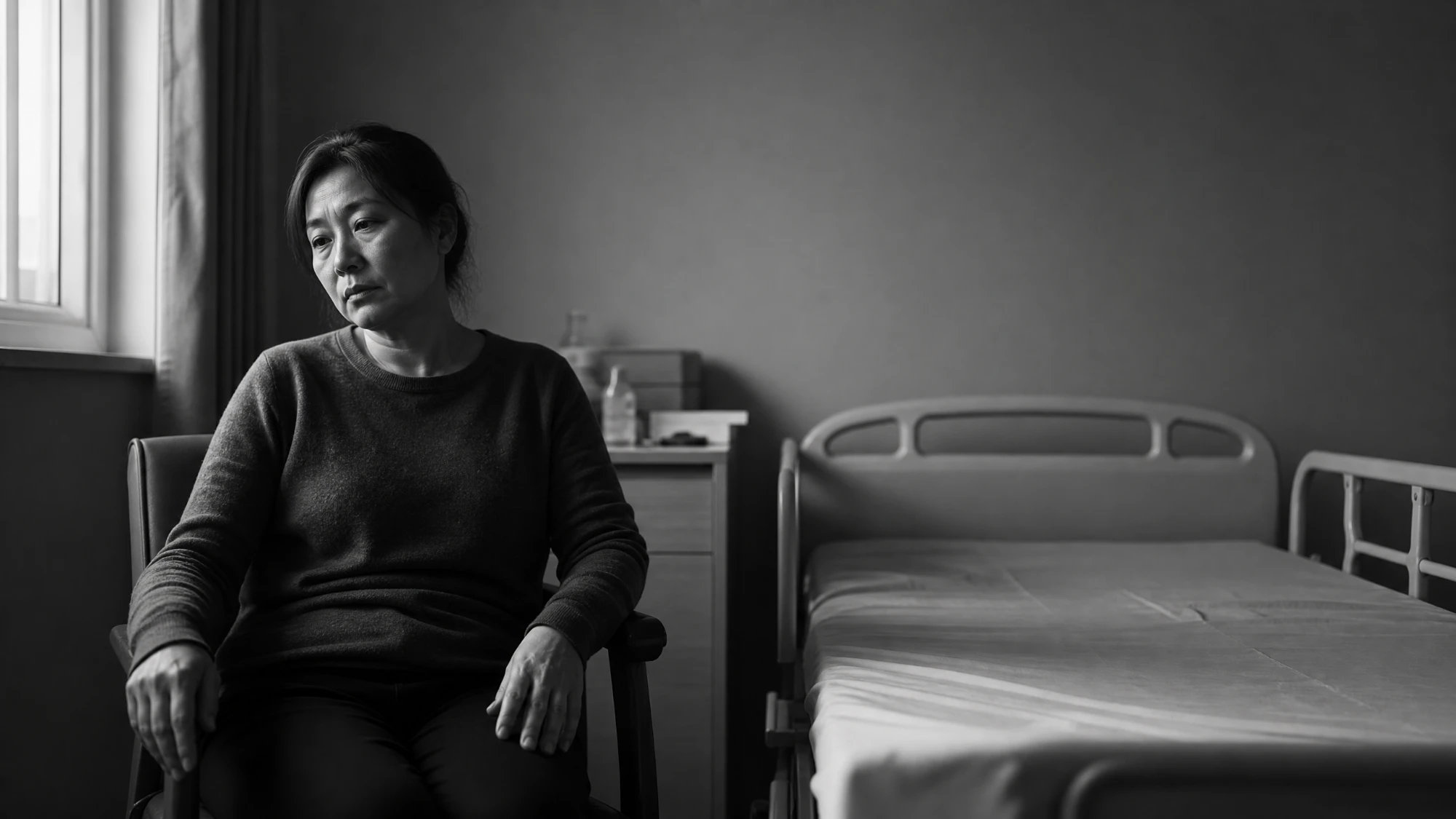
Grief After a Long Illness

You saw it coming for months or years, you thought you were ready, and it still knocks you flat. And then comes the relief, and the guilt about the relief. Grief after a long illness has its own shape. Here is the honest version.

In This Article

Everyone told you it was coming. You watched it come for months, maybe years. You thought the long warning meant you were ready, and then the death arrives and flattens you anyway, followed by a wave of relief, followed by guilt about feeling relieved. Grief after a long illness has its own shape, tangled with exhaustion, caregiving, and complicated feelings nobody warned you about.

The grief you felt before the death has a name and a page of its own; see anticipatory grief. This page is about after.

What is grief after a long illness like?

Grief after a long illness is often a tangle of sorrow, exhaustion, and relief, layered on top of months or years of anticipatory grief already spent. You may feel worn down rather than shocked, and you may be grieving not just the person's death but the long decline, the version of them the illness took first, and the loss of the caregiving role that structured your days. It can feel muted and enormous at the same time.[3]

You have often been grieving in installments for a long time, so the final loss can land as a strange mix of devastation and depletion.

Why do you still grieve when the death was expected?

An expected death still hurts because knowing something intellectually is not the same as being ready for it emotionally, and no amount of warning prepares you for the actual absence. You may have braced for it a hundred times, but the person is still gone, the relationship still ends, and the grief still has to be lived. Expecting a loss can soften the shock; it does not cancel the love or the pain.[2]

Do not let anyone, including yourself, tell you that you should be fine because you "had time to prepare." Preparation is not immunity.

Is it normal to feel relief when someone dies after a long illness?

Yes, relief is one of the most normal and least talked-about parts of grief after a long illness. Relief that the person's suffering is over, and relief that the exhausting, all-consuming work of caregiving has ended, does not mean you did not love them or wanted them gone. It means you are human and you watched someone you love suffer. Relief and grief coexist, and the guilt people feel about relief is usually misplaced.[1]

Feeling relieved is not a betrayal. It is the natural response of a depleted person whose loved one is no longer in pain.

What is caregiver grief?

Caregiver grief is the specific grief of someone who cared for the person through their illness. It includes mourning the person, but also the sudden loss of a role and routine that filled your days, physical and emotional burnout, and sometimes a strange emptiness when the constant demands stop. Caregivers may also be further along in their grieving because so much of it happened during the illness, which can leave them out of step with other mourners.[3]

After months of having no time for your own feelings, the quiet after the death can hit hard. That disorientation is part of caregiver grief, not a sign you are grieving wrong.

Does anticipatory grief make the loss easier?

Anticipatory grief, the grieving you do before the death, can help in some ways and not in others. It can give you time to say goodbye, resolve things, and begin to adjust, which may ease part of the shock. But it does not guarantee an easier grief afterward, and some people find the final loss just as hard or harder. Grief before death and grief after it are both real, and one does not simply subtract from the other.[2]

If your grief after the death is heavy despite all the warning, that is normal and not a failure to have prepared properly.

How do you cope with grief after a long illness?

Be gentle with your exhaustion first; you may need rest and recovery as much as active mourning. Let the relief exist without guilt, grieve the caregiving role as a real loss, and slowly rebuild the parts of your life the illness crowded out. Reconnect with people and routines you set aside, and get support if the grief or the emptiness feels stuck. Caregiver support groups and hospice bereavement services understand this specific version of loss.[1]

See how to cope with grief for the broader ground. The particular task here is to let yourself rest and to forgive yourself for the relief.


This page is grief education, not therapy. If grief or exhaustion is affecting your safety or daily functioning, reach out to a doctor or counselor; in the U.S. and Canada, call or text 988. For where this guidance comes from, see our Sources and Methodology.

Sources & References

Research & Citations

All factual claims in this article are sourced from peer-reviewed research, government data, and named institutions. Citations follow APA 7th edition format.

  1. [1]Hospice Foundation of America. (n.d.). When you are grieving. ↗ Source 2026-07-23
  2. [2]American Psychological Association. (2023). Grief: Coping with the loss of your loved one. ↗ Source 2026-07-23
  3. [3]National Institute on Aging. (n.d.). Coping with grief and loss. U.S. Department of Health and Human Services. ↗ Source 2026-07-23
ShareX / Twitter

Keep Reading

Grief

Anticipatory Grief: Grieving Before the Death

Grieving someone before they die has a name: anticipatory grief. What it is, why the guilt is normal, and why grieving early does not make the death easier when it comes.

7 min read
Grief

Grief After a Sudden or Unexpected Death

When death comes with no warning, grief comes with an extra layer: shock, disbelief, a mind that keeps rejecting the fact, and no chance to say goodbye. It is a distinct and harder kind of loss. Here is what makes it different and what helps.

7 min read
Grief

How to Cope With Grief (What Actually Helps)

Grief has no schedule and no stages. But some things reliably help grieving people, and some reliably make it worse. Here is the honest list, with evidence.

8 min read
End-of-Life Care

Hospice: What Nobody Tells You Until You're In It

Hospice is one of the most misunderstood parts of end-of-life care. Most families say they wished they'd started it sooner. Here's what it actually is.

9 min read

The Death Dispatch

More stories like this, weekly.

A newsletter about death you'll actually look forward to reading.