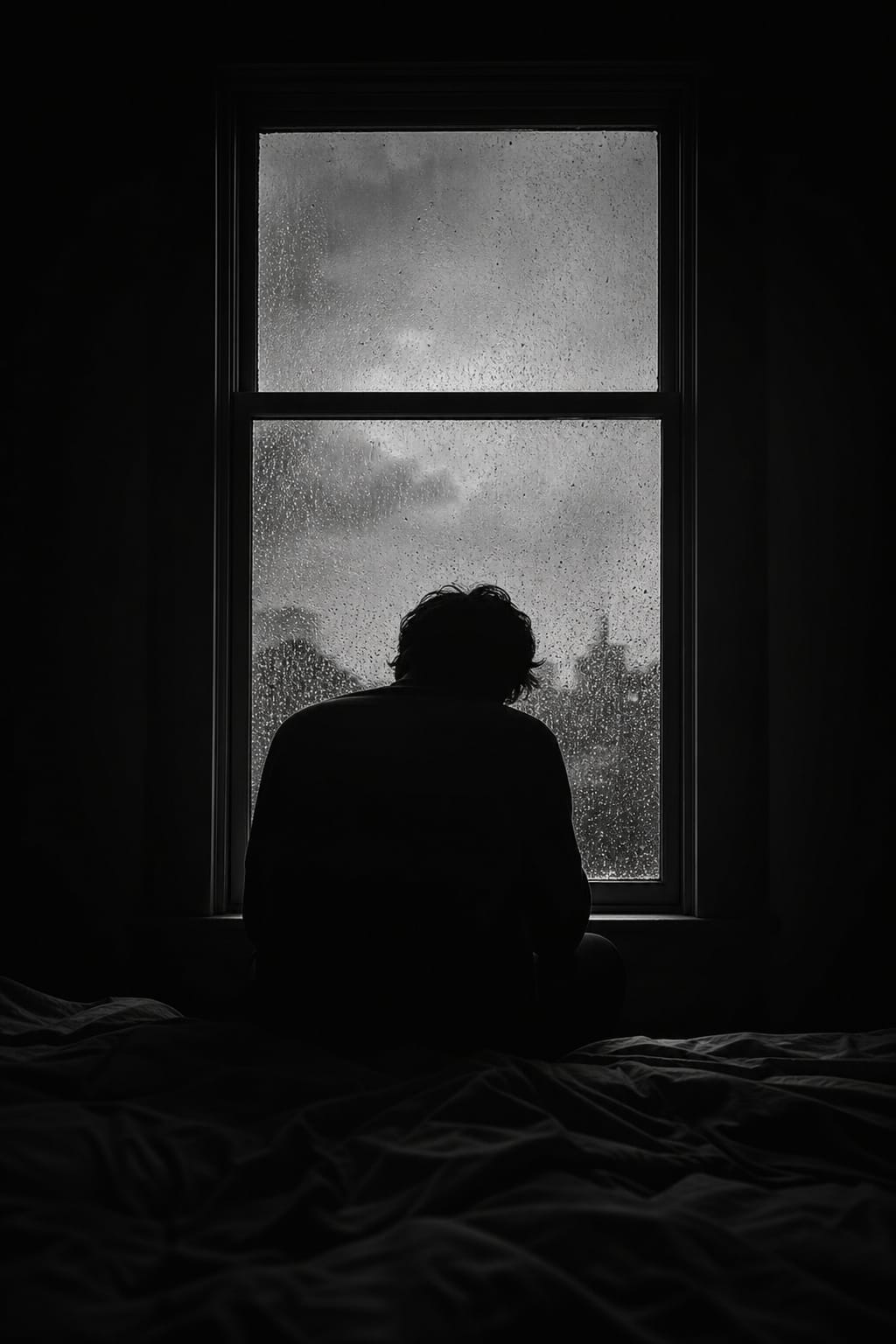
Let's be honest: death is brutal. Most people's understanding of grief comes from the five-stages model, but grief is not linear. And for some, it becomes something more severe that requires a different kind of support. It's messy, it's painful, and it rips a hole in your life that never quite closes. Grief, in its rawest form, is a natural, albeit agonizing, response to this reality. It comes with having loved someone. But what happens when that natural process gets stuck? When the acute pain of death doesn't soften into a dull ache, but instead becomes a persistent, debilitating force that takes over your life? We're talking about complicated grief, now officially recognized as Prolonged Grief Disorder (PGD) in the DSM-5-TR. It's not just 'really bad grief'; it's a distinct condition that demands a different conversation than the platitudes you'll hear at a funeral.
For too long, society has expected grief to follow a neat, predictable timeline, often pushing people to 'move on' or 'find closure' before they've even had a chance to process how much their world has changed. This article isn't about telling you how to grieve, or worse, how *not* to grieve. It's about shining a light on a specific, often misunderstood, form of mourning that can leave individuals feeling isolated, broken, and failed by a system ill-equipped to handle the nuances of human suffering. We're going to talk about what complicated grief actually is, how it differs from the 'normal' kind, what makes some people more susceptible, and what you can do about it when the mental health system often falls short.
