End-of-Life CareBy Stephanie Werner · July 2026 · 7 min read

Death Doulas: What They Do, What They Cost, How to Vet One

A death doula sits with people who are dying. No medical role, no license, no regulator. That last part is why you need to know exactly what to ask before you hire one.

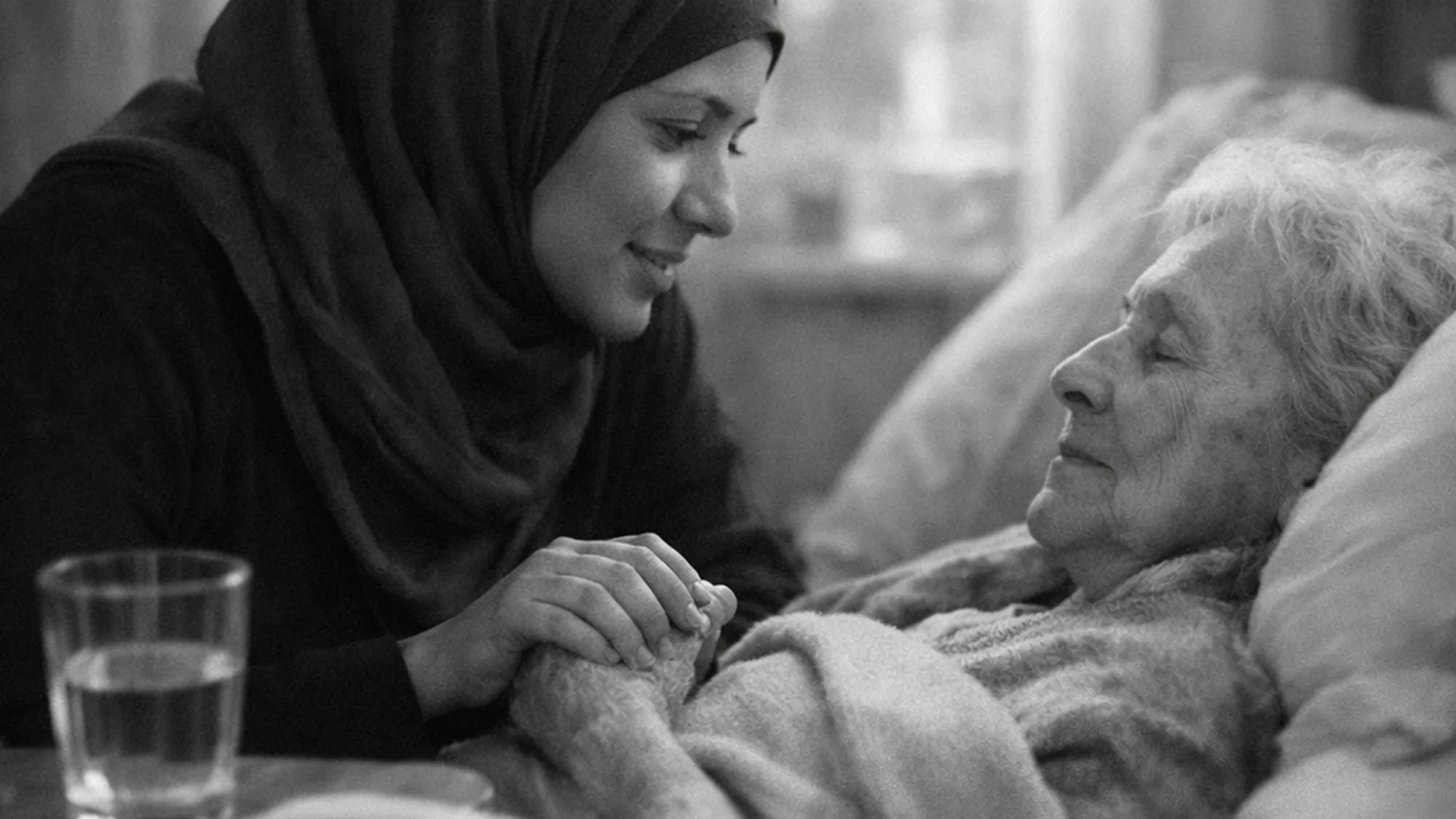
A woman in a hijab sitting at the bedside of an elderly woman, holding her hand and talking quietly, in black and white

In This Article

Hospice sends a nurse for an hour. The rest of the day and all of the night belong to the family. A death doula is the person who fills some of that.

The role has grown fast and it's unregulated, which means the good ones are very good and there's nothing standing between you and the rest.

What a death doula is

A death doula, also called an end-of-life doula, is a non-medical professional who gives emotional and practical support to someone who's dying and to the people around them.[1]

The comparison people reach for is a birth doula, and it holds up. A birth doula doesn't deliver the baby. A death doula doesn't manage the medicine. Both do the human work around a medical event that the medical staff have neither time nor training for.

They work alongside hospice, not instead of it. Hospice handles pain and symptoms.[3] A doula handles the hours.

What they actually do

The work varies by doula and by family. Common pieces:

  • Sitting. Being present so the dying person isn't alone and the family can sleep or shower.
  • Talking about the fear. Regrets, unfinished business, what someone thinks happens next. Family often can't hold that conversation without falling apart, and a stranger can.
  • Legacy work. Recording stories, writing letters, sorting photographs while the person can still explain who's in them.
  • Explaining what's happening. Telling a family that mottled skin and changed breathing are expected, so nobody panics at 3am. The signs are in what dying actually looks like.
  • Practical planning. Helping think through what the person wants afterward, including options families often don't know exist, such as a home funeral.
  • After the death. Some stay through the first hours, when nobody knows who to call.

Vigil sitting

Vigil sitting is staying with someone through the final days or hours. It's the piece of the work people understand least and need most.

Some people want company at the end and don't have anyone. Others have family who physically cannot stay awake for a fourth night. A doula covers both.

Kyra Overmier, a death doula who specializes in vigil work, described it this way: "Not everybody wants someone by them when they die, but there's a good chunk of people who do, and sometimes they don't have anybody. I feel like it's an honor to be able to do that."

Worth knowing: many people die in the few minutes a family member steps out. It happens often enough that hospice staff mention it unprompted. If it happened to you, you didn't fail.
What they don’t do

A death doula doesn’t:

  • Give medication, including managing a morphine pump
  • Provide any clinical or nursing care
  • Make medical decisions
  • Replace hospice, palliative care, or a doctor
  • Pronounce death or sign a death certificate

Anyone offering to do those things is either a licensed clinician acting in that capacity or someone you should walk away from.

Certification doesn’t mean what you think

There's no license to be a death doula. No state board, no required exam, no legal standard. Anyone can print a card tomorrow.

Training programs exist and the established ones are serious. The National End-of-Life Doula Alliance offers a proficiency credential based on a body of knowledge its members hold to.[1] The International End of Life Doula Association trains and certifies doulas through its own program.[2] Going with Grace, founded by death doula Alua Arthur, runs another widely used training.[4]

These are voluntary. A doula with no certificate may be excellent, and a certificate isn’t a regulator. Treat training as one input among several, the way you'd treat any unlicensed trade.

What it costs

Death doulas are generally paid out of pocket. Medicare doesn't cover the role, and most private insurance doesn't either.

Fee structures you'll see:

  • Hourly, commonly in the range of $25 to $100 an hour depending on the market
  • Package, a flat fee covering a set number of visits plus vigil time
  • Sliding scale, which many doulas offer and few advertise

Rates vary a lot by region, so treat those as a starting range and ask. Some doulas volunteer through hospices, and some hospices have a volunteer program that does overlapping work at no cost. Ask your hospice social worker before you hire anyone, because you may already have access to some of this.

Get the fee, what's included, and the cancellation terms in writing before the work starts. This is a trade like any other.

Questions to ask before you hire one

Interview at least two. Ask:

  • "What training have you done, and with whom?"
  • "How many people have you sat with?"
  • "Do you carry liability insurance?"
  • "What exactly does your fee cover, and what's extra?"
  • "Are you available overnight, and what happens if you're with another family when we need you?"
  • "Will you work alongside our hospice team?"
  • "Can I speak to two families you've worked with?"

Then the one that matters most: does the dying person want this. A doula the patient didn't agree to is another stranger in the room during the least private week of their life.

To find one, ask your hospice social worker first, then check the directories at NEDA and INELDA, or search the MORTL provider directory.

Common questions

What does a death doula do?

A death doula gives non-medical emotional and practical support to a dying person and their family. That includes sitting vigil, talking through fears and regrets, legacy work such as recording stories, explaining what the body is doing so nobody panics, and helping plan what happens after the death.

Do death doulas need a license?

No. There's no state license, board, or legal standard for death doulas anywhere in the US. Voluntary training and credentials exist through organizations such as NEDA, INELDA, and Going with Grace, but none of them is a regulator, so vet a doula the way you would any unlicensed trade.

How much does a death doula cost?

Most charge out of pocket, commonly $25 to $100 an hour or a flat package covering set visits plus vigil time, with wide variation by region. Many offer a sliding scale. Medicare and most private insurance don't cover the role, so ask your hospice social worker first because volunteer support may already be available.

Does a death doula replace hospice?

No. Hospice provides medical care including pain and symptom management. A doula provides no clinical care at all and works alongside the hospice team, covering the hours between nurse visits.

Is a death doula the same as a birth doula?

The role is parallel. A birth doula supports a birth without delivering the baby; a death doula supports a death without managing the medicine. Both handle the human work around a medical event. The training and the skills are different.

Sources & References

Research & Citations

All factual claims in this article are sourced from peer-reviewed research, government data, and named institutions. Citations follow APA 7th edition format.

  1. [1]National End-of-Life Doula Alliance. (n.d.). About end-of-life doulas. ↗ Source Retrieved July 30, 2026
  2. [2]International End of Life Doula Association. (n.d.). Doula training and resources. ↗ Source Retrieved July 30, 2026
  3. [3]National Institute on Aging. (n.d.). What are palliative care and hospice care? U.S. Department of Health and Human Services, National Institutes of Health. ↗ Source Retrieved July 30, 2026
  4. [4]Going with Grace. (n.d.). End-of-life planning and death doula training. ↗ Source Retrieved July 30, 2026

Share this story

Post it, or send it straight to the person who needs it. The link goes with it.

Keep Reading

End-of-Life Care

Hospice: What Nobody Tells You Until You're In It

Hospice is one of the most misunderstood parts of end-of-life care. Most families say they wished they'd started it sooner. Here's what it actually is.

9 min read
End-of-Life Care

Stages of Death: What Dying Actually Looks Like

The final days follow a pattern hospice nurses know by heart. The breathing changes. The eating stops. Here's what's normal, what's not, and why knowing the difference matters for the people in the room.

9 min read
Culture

Death Cafes and Death Salons: Where Strangers Talk About Dying

A room, some strangers, and one subject nobody brings up at dinner. Death cafes have run in 97 countries since 2011. Death salons are the version built for people who need the room to be safer than that. Here's what actually happens in one.

7 min read
Planning

Home Funerals: What They Involve and What Your State Requires

Keeping a body at home after a death is legal in most of the United States. Families did it as standard practice within living memory. Here's what it actually involves, and where the law still puts a funeral director in the middle.

8 min read

The Death Dispatch

More stories like this, weekly.

A newsletter about death you'll actually look forward to reading.