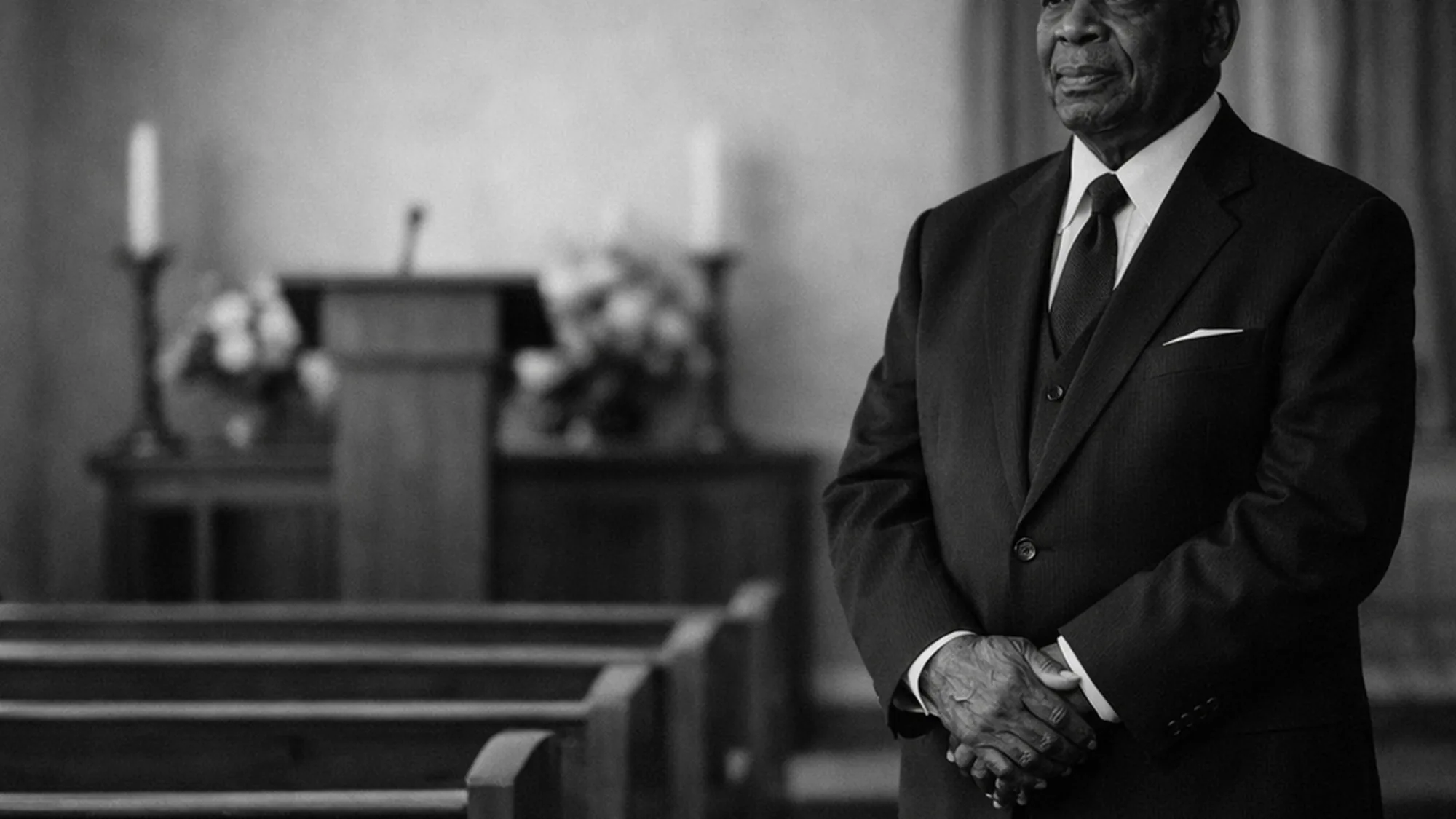
Excluded from many public venues, Black communities held civil rights meetings, community forums, and classes in funeral home chapels and reception rooms.[5] These were trusted community spaces under Black ownership.
Funeral directors opened their doors and kept showing up. Local organizers turned to them for meeting space, bail money, and help negotiating with white officials. When civil rights workers were killed, Black funeral directors cared for and prepared their bodies with dignity.[1][5]
The work carried an extraordinary emotional weight. Funeral directors sometimes prepared the bodies of people they knew after acts of racial violence. They also supported families whose decisions made the evidence of that violence visible to the country. Their care honored the person, supported the family, and helped preserve the truth.[1]
Black funeral homes also ran combination ambulances, cars that worked as both ambulance and hearse, with directors trained in basic first aid and carrying oxygen to people who had no other way to reach a hospital or get emergency treatment.[7] For much of American history, Black funeral homes filled essential gaps left by segregated systems.